Tango Demos at Milongas: What Performers Wish You Knew
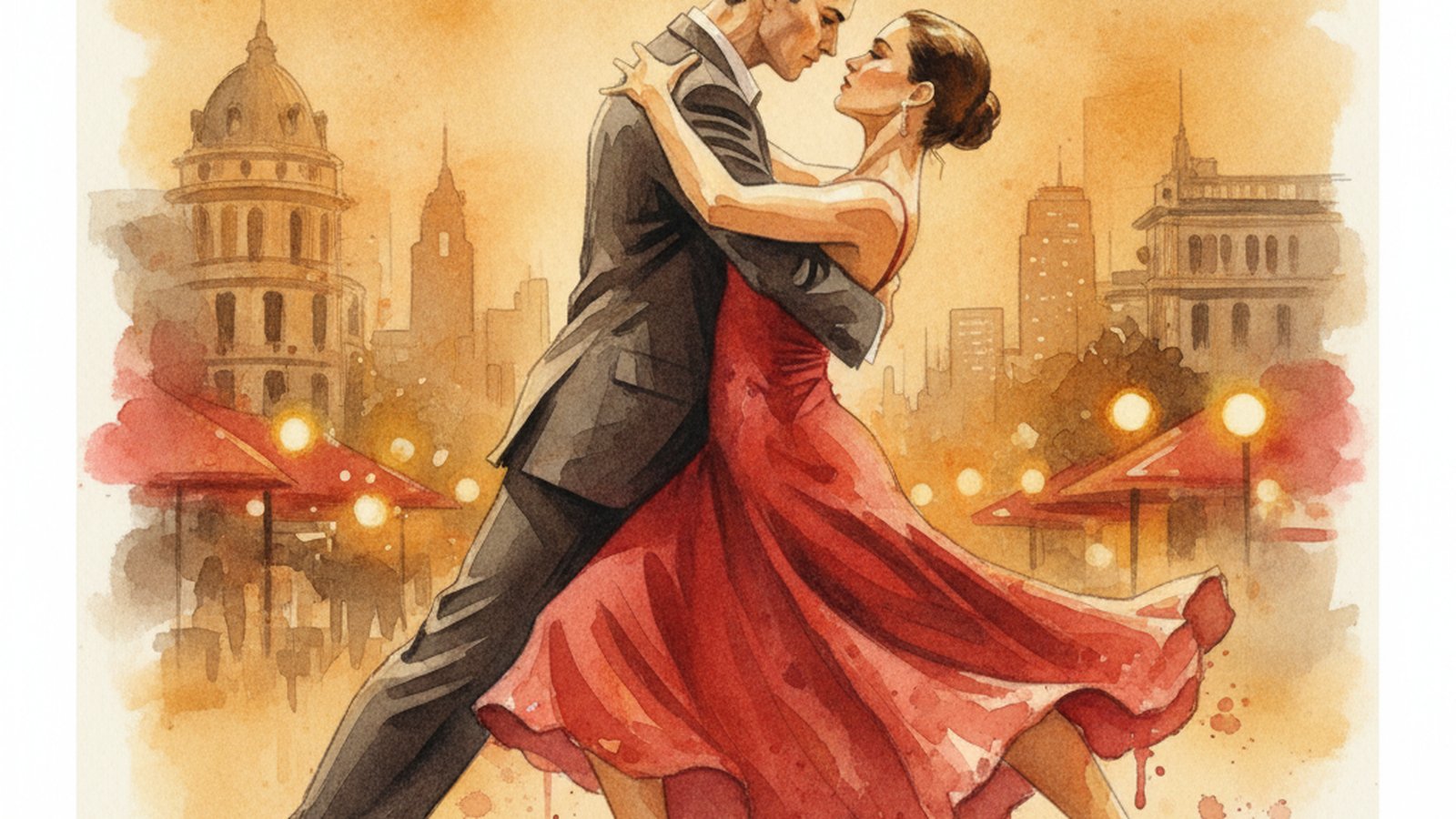
The moment the floor clears
You know the feeling. The DJ fades the cortina early, someone softens the lights, and a hush rolls across the room. Chairs scrape back, the floor empties, and two dancers step into the middle of all that sudden space. For the next three or four minutes, the milonga holds its breath. This is the demonstration — the exhibición — and whether you have been dancing for three weeks or thirty years, it is one of the most charged moments an evening can offer.
But from the dancers' side of that empty floor, things look a little different than you might imagine. Having watched countless demos across London — from the back room of a pub in Hackney to the polished floors of a central festival — and having felt my own heart hammer before stepping out, here is what so many performers quietly wish the audience knew.
It isn't showing off
The first thing almost every performer says is some version of this: a demonstration is an offering, not a performance of superiority. When a couple agrees to dance for a room, they are not announcing that they have arrived or that they dance better than you. They are doing something genuinely vulnerable — distilling everything they love about this music into a few minutes, in front of people whose opinion they care about.
A demo is not the dancers saying ‘look how good we are.’ It is the dancers saying ‘look how beautiful this thing is that we all share.’
That reframing matters, because it changes how you watch. You are not an examiner. You are being let in on something.
What is actually happening up there
It is easy to assume a demo is a polished, rehearsed routine. Sometimes it is — particularly the choreographed showpieces you see at festivals. But a great deal of social demonstration is improvised, danced to a song the couple may have learned about only minutes before. That unpredictability is the whole point and the whole terror of it.
A few things are going on simultaneously that the audience rarely sees:
- The nerves are real. Experienced professionals still get butterflies. The empty floor that feels glamorous to watch feels enormous to stand on.
- The music is leading too. Good performers are not executing steps; they are listening, phrase by phrase, and answering the orchestra in real time. The pauses you might read as hesitation are usually deliberate — they are waiting for the music.
- The connection is the content. The flashy ganchos and boleos get the gasps, but performers will tell you the part they are proudest of is usually an invisible one: a shared breath, a walk taken perfectly together, a single beat held in stillness.
How to watch — a short etiquette
London milongas are wonderfully welcoming, but demo etiquette is one of those things nobody quite explains. Here is the short version, in roughly the order it tends to matter.
- Clear the floor properly, and quickly. When a demo is announced, step right back to the edges so the dancers have room. Floors in London venues are often small; the difference between a generous space and a cramped one is the difference between a couple being able to travel and being boxed in.
- Give them your attention. You do not have to watch in reverent silence — a buzz of warmth is lovely — but try not to carry on a loud conversation at the bar. The dancers can hear it, and the energy of a distracted room is genuinely harder to dance into.
- Be careful with phones. By all means film if filming is welcomed, but ask yourself whether you are watching the dance or only watching your screen. A wall of raised phones can feel strangely lonely from the floor. If you do film, offer the clip to the dancers afterwards — they almost never have footage of themselves.
- Applaud generously, and at the right moments. Clap when the music ends, of course, but a warm reaction to a beautiful moment mid-dance is a gift. Performers feed on it.
What to actually look for
If you are newer to tango, demos can feel like a blur of legs. Here is a more rewarding way to watch than hunting for tricks.
Watch the upper bodies, not the feet
The conversation between two dancers happens through the embrace. Watch how the chests stay connected, how the follower's axis is respected, how the lead invites rather than pushes. Once you start seeing the communication, the feet become almost secondary.
Watch how they use the music
Notice when they move and when they choose not to. A couple who can make a room hold its breath during a silence understands something deeper than any sequence of steps. That is the skill worth aspiring to.
Watch the recovery
Improvised demos are not flawless, and that is the beauty of them. Something will not quite land, and you will see two dancers fold it back into the music as though it were always meant to happen. That grace under pressure is the real art.
A note for the London scene
One lovely thing about our city is how often the performers are the community. The couple dancing for you tonight might be teaching your Tuesday class, or sitting beside you at the next milonga hoping for a cabeceo. Demonstrations here are rarely distant spectacles; they are neighbours sharing something.
So the warmest thing you can do is close the loop afterwards. Catch the dancers' eye, say you enjoyed it, mention the moment that moved you. Performers remember the person who said ‘that pause in the middle gave me chills’ far longer than they remember any applause. And if you are an aspiring performer yourself, know that the London scene is unusually generous about giving newer couples a chance to dance — many milongas actively invite it.
The next time the floor clears and the lights drop, you will know what you are really watching: not a verdict on your own dancing, but an invitation. Two people, a piece of music, and a room willing to hold the silence with them. Lean in.
Find your next milonga
London's demos are best discovered in person — and there is one almost every night of the week. Browse upcoming milongas, festivals, and performance nights across the city on TangoLife.london, find the floor that feels like yours, and go let the next demonstration take your breath away.