Tango Etiquette: The Unwritten Rules of the Milonga
Why Etiquette Matters in Tango
Tango etiquette is not about being stuffy or old-fashioned. These customs evolved over more than a century to create a dance environment that is safe, respectful, and enjoyable for everyone. Understanding these unwritten rules will make your milonga experience infinitely better.
Think of tango codes the way you think of table manners — they exist to make the shared experience pleasant for all.
The Cabeceo: The Art of the Invitation
How It Works
The cabeceo (from cabeza, meaning head) is the traditional method of inviting someone to dance. It works like this:
- You make eye contact with the person you would like to dance with
- You give a slight nod or tilt of the head
- If they nod back, you have a dance. Walk to meet them.
- If they look away, they have declined — and that is perfectly fine
Why the Cabeceo Is Brilliant
- No public rejection — a declined cabeceo is invisible to the rest of the room
- Mutual consent — both partners actively choose each other
- No pressure — you can decline without awkwardness by simply not making eye contact
- Works across the room — you do not need to walk up to someone and ask verbally
Tips for a Good Cabeceo
- Position yourself where you can be seen by people you want to dance with
- Make your intention clear but not aggressive — a warm, gentle look followed by a nod
- If someone does not return your cabeceo, move on gracefully
- The cabeceo works in both directions — followers can initiate eye contact too
The Tanda and Cortina System
What Is a Tanda?
A tanda is a set of three or four songs, usually by the same orchestra and in the same style (tango, vals, or milonga). When you accept a dance, you are committing to dance the entire tanda with that person.
What Is a Cortina?
A cortina (curtain) is a short piece of non-tango music played between tandas. It signals that the tanda is over and everyone should return to their seats.
The Etiquette
- Dance the whole tanda — leaving your partner mid-tanda is considered rude unless there is a serious problem
- Thank your partner after the last song and escort them back to their seat
- It is acceptable to start dancing from the second or third song of a tanda if you prefer shorter sets
- Do not talk during the dance — brief comments are fine, but extended conversation is distracting
Floor Craft: Navigating the Dance Floor
The Line of Dance
Tango has a line of dance — couples move anti-clockwise around the floor. This is not a suggestion; it is fundamental to safe social dancing.
Rules of the Floor
- Never go against the flow — always move anti-clockwise
- Maintain your lane — more experienced couples dance in the outer lane, newer dancers in the inner lanes
- Do not overtake aggressively — if the couple ahead is slower, be patient
- Avoid large, space-consuming moves when the floor is crowded
- Never stop in the line of dance — if you need to pause, do so briefly and be aware of couples behind you
- No teaching on the dance floor — save corrections for class
The Centre of the Floor
The centre of the floor is typically used for practising or by dancers doing figures that need more space. On a crowded floor, the centre fills up and the same anti-clockwise convention applies.
General Social Etiquette
Personal Hygiene
This may seem obvious, but it bears mentioning:
- Shower before the milonga
- Use deodorant (but go easy on perfume or cologne — your partner will be close)
- Bring a spare shirt if you tend to perspire
- Carry mints — you will be dancing face to face with someone
Behaviour
- Be gracious — whether accepting or declining a dance
- Do not give unsolicited feedback — unless your partner specifically asks
- Respect personal boundaries — the embrace should always be comfortable for both partners
- Arrive on time — if there is a pre-milonga class, arriving early shows respect
- Mobile phones on silent — and off the dance floor
The Thank You
At the end of a tanda, the traditional way to signal that you are done is to say "thank you" (gracias). This is a warm conclusion, not a dismissal. Escort your partner back towards their seat.
London-Specific Notes
London milongas generally follow traditional etiquette, though the degree of formality varies by venue. Some milongas are strict about the cabeceo and tanda system; others are more relaxed. When in doubt:
- Observe the room for 10 minutes before dancing
- Ask the organisers if you are unsure about the codes at a particular venue
- Follow the lead of experienced dancers around you
Building a Reputation
In the tango community, your reputation matters. People notice if you are respectful, if your floor craft is good, and if you treat every partner — regardless of their level — with warmth and courtesy. A good reputation means more dances, better connections, and a richer tango life.
The codes of the milonga are, at their core, about mutual respect. Embrace them, and the dance floor becomes a place of extraordinary connection.
Related Articles
Building Your Tango Wardrobe: What to Wear to a Milonga
What you wear to a milonga affects how you feel and dance. From shoes to outfits, learn how to build a tango wardrobe that is comfortable, stylish, and practical.
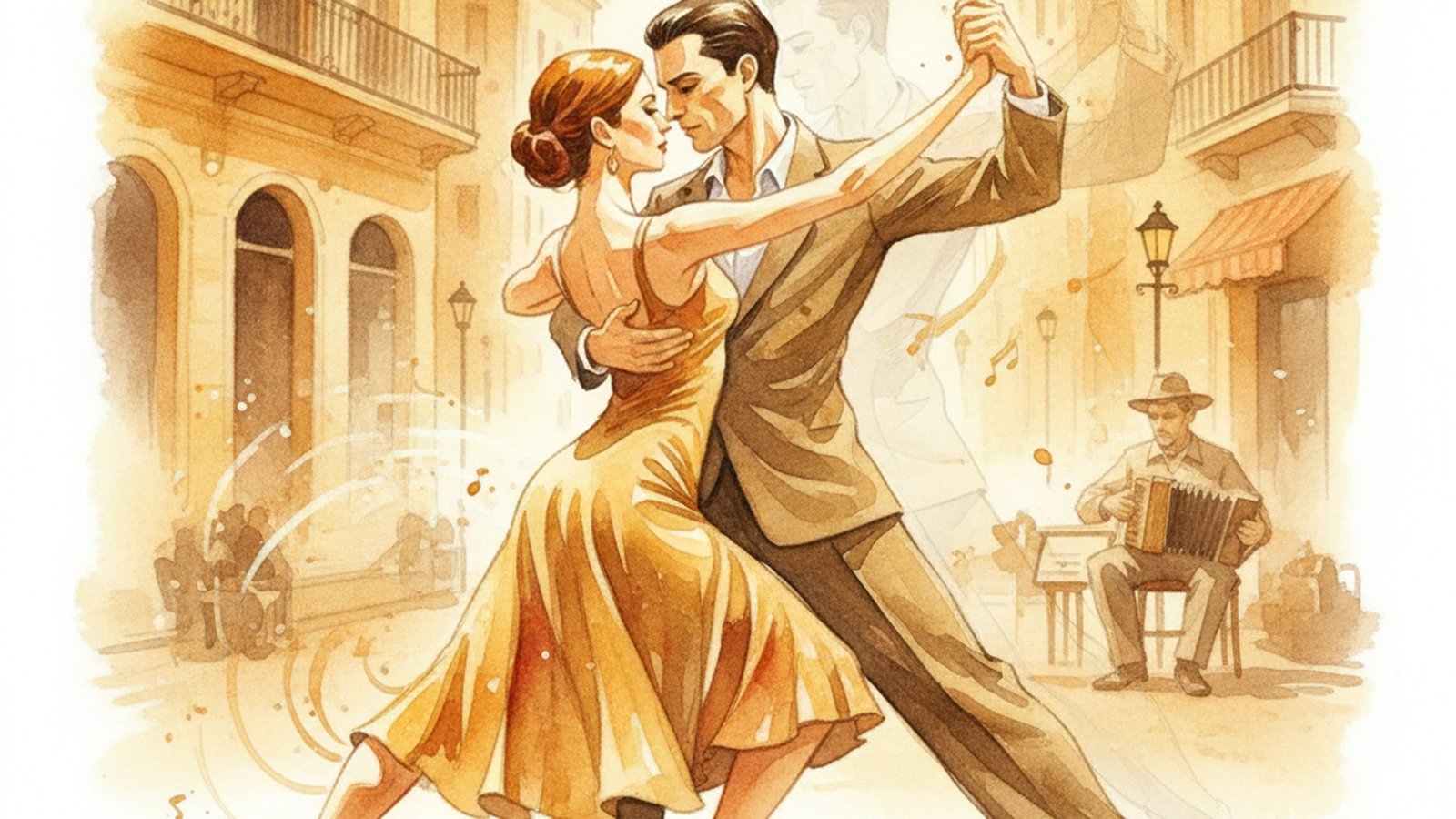
Practise Tango Without a Partner: Solo Drills That Work
No partner this week? No problem. Discover the solo tango drills — axis, walk, ochos and more — that build the fundamentals every London dancer needs.
Switching Roles: Why Learning Both Leader and Follower Makes You Better
Discover why learning both the leader and follower roles in Argentine tango transforms your dancing — with practical tips for getting started in London.