Tango Milestones: Breakthroughs Every Dancer Experiences
The Moments That Change Everything
Tango development is not a smooth upward curve. It is a series of plateaus punctuated by sudden, thrilling breakthroughs — moments when something clicks and your dancing shifts to a new level. These milestones are remarkably consistent across dancers, regardless of age, background, or where they learned.
If you are on the tango journey, knowing what lies ahead can be both encouraging and illuminating. Here are the breakthroughs that almost every dancer experiences eventually.
The First Real Connection
In your early weeks and months of tango, you are thinking about steps. Left foot here, right foot there, try not to step on anyone. Then one evening, something shifts. You stop thinking about your feet and suddenly feel your partner. Not just physically — you feel them responding to you, or you feel yourself responding to them, in a way that goes beyond the mechanics.
This first moment of genuine connection is unforgettable. It is the moment tango stops being a series of steps and starts being a conversation. Many dancers describe it as the moment they became hooked for life.
Walking Becomes Beautiful
For months, you have been told that the walk is the foundation of tango. And for months, walking has felt like the boring part between the interesting stuff. Then, gradually, your walk transforms. The transfer of weight becomes deliberate. Each step has intention. The embrace settles. And suddenly, walking with a partner to a simple Di Sarli melody becomes the most satisfying thing in the world.
This milestone is significant because it marks a shift from collecting steps to valuing quality of movement. Once your walk is beautiful, everything built on top of it improves.
You Hear the Music Differently
At first, tango music is pleasant background sound. Then you start hearing structure — the phrases, the pauses, the crescendos. You begin to recognise orchestras. You can feel where the music is going before it gets there.
The breakthrough comes when you start dancing inside the music rather than on top of it. Your body responds to the melody, the rhythm, and the emotion simultaneously. A bandoneon phrase makes your ocho sing. A pause in the music creates a pause in your dance that feels electric.
The day you stop counting beats and start breathing with the music is the day your tango truly begins.
The Cabeceo Becomes Natural
The cabeceo — the system of eye contact used to invite and accept dances — terrifies many beginners. It feels awkward, ambiguous, and fraught with rejection. But there comes a point where it becomes second nature. You read the room instinctively. You know who wants to dance with you. The silent negotiation feels elegant rather than stressful.
This milestone marks your integration into the milonga culture. You are no longer a visitor — you are a participant.
You Can Dance with Anyone
Early on, you have a small number of partners with whom you feel comfortable. Dancing with someone new is nerve-wracking. But eventually, you develop the adaptability to dance with anyone — tall, short, experienced, beginner, close embrace, open embrace.
This adaptability is a crucial milestone because it means you have stopped relying on your partner to make the dance work. You can create connection regardless of who is in your arms.
Stillness Becomes Powerful
Beginners and early intermediate dancers tend to fill every beat with movement. There is an anxiety about doing nothing, as if stillness means you have run out of ideas. The breakthrough comes when you discover that a pause — a moment of shared stillness within the embrace — can be the most powerful moment in a tanda.
Standing together, breathing together, feeling the music together without moving a muscle. This is when tango becomes meditation.
You Stop Worrying About What Others Think
In the early years, the milonga can feel like a performance. You worry about being watched, being judged, being found wanting. You compare yourself to more experienced dancers and feel inadequate.
Then, gradually, you stop caring. Not because you have become arrogant, but because your focus has shifted entirely to the connection with your partner and the music. The outside world disappears. This is when tango becomes truly personal and deeply satisfying.
You Develop Your Own Voice
Every dancer initially mimics their teacher. Your style is your teacher's style, filtered through your body. But there comes a point — usually after two or three years — when your own tango identity starts to emerge. The way you interpret the music, the quality of your embrace, the particular movements that feel like home — these become distinctly yours.
This is not something you force. It happens naturally as you absorb influences from different teachers, partners, and experiences. One day you realise that your tango does not look like anyone else's, and that is exactly as it should be.
You Can Teach What You Know
At some point, a newer dancer asks you for help. And you discover that you can explain something clearly, that you have knowledge worth sharing. This is a significant milestone because teaching requires understanding at a deeper level than doing. Explaining a concept to someone else solidifies your own understanding and often reveals new insights.
The Dance Moves You Emotionally
Perhaps the most profound milestone is the first time tango makes you cry — or laugh with pure joy, or feel a wave of tenderness for a stranger in your arms. This is the point where tango transcends the physical and becomes an emotional practice.
Not every dance reaches this depth, nor should it. But knowing that the potential is there, that a three-minute tanda can contain a lifetime of feeling, is what keeps experienced dancers coming back decade after decade.
Embracing the Journey
These milestones do not arrive on schedule. Some come quickly, others take years. Some you do not recognise until long after they have passed. And here is the beautiful thing: there are always more ahead. Dancers with twenty years of experience still report breakthroughs and discoveries.
Wherever you are on the journey, trust that the next milestone is waiting for you. Keep dancing, keep listening, and keep showing up.
Join the community and keep your tango journey alive at TangoLife.london — where every milestone is celebrated.
Related Articles
The Plateau Effect: Why Your Tango Progress Seems to Stall
Every tango dancer hits a plateau where progress seems to stall. Learn why this happens and practical strategies to break through to the next level.
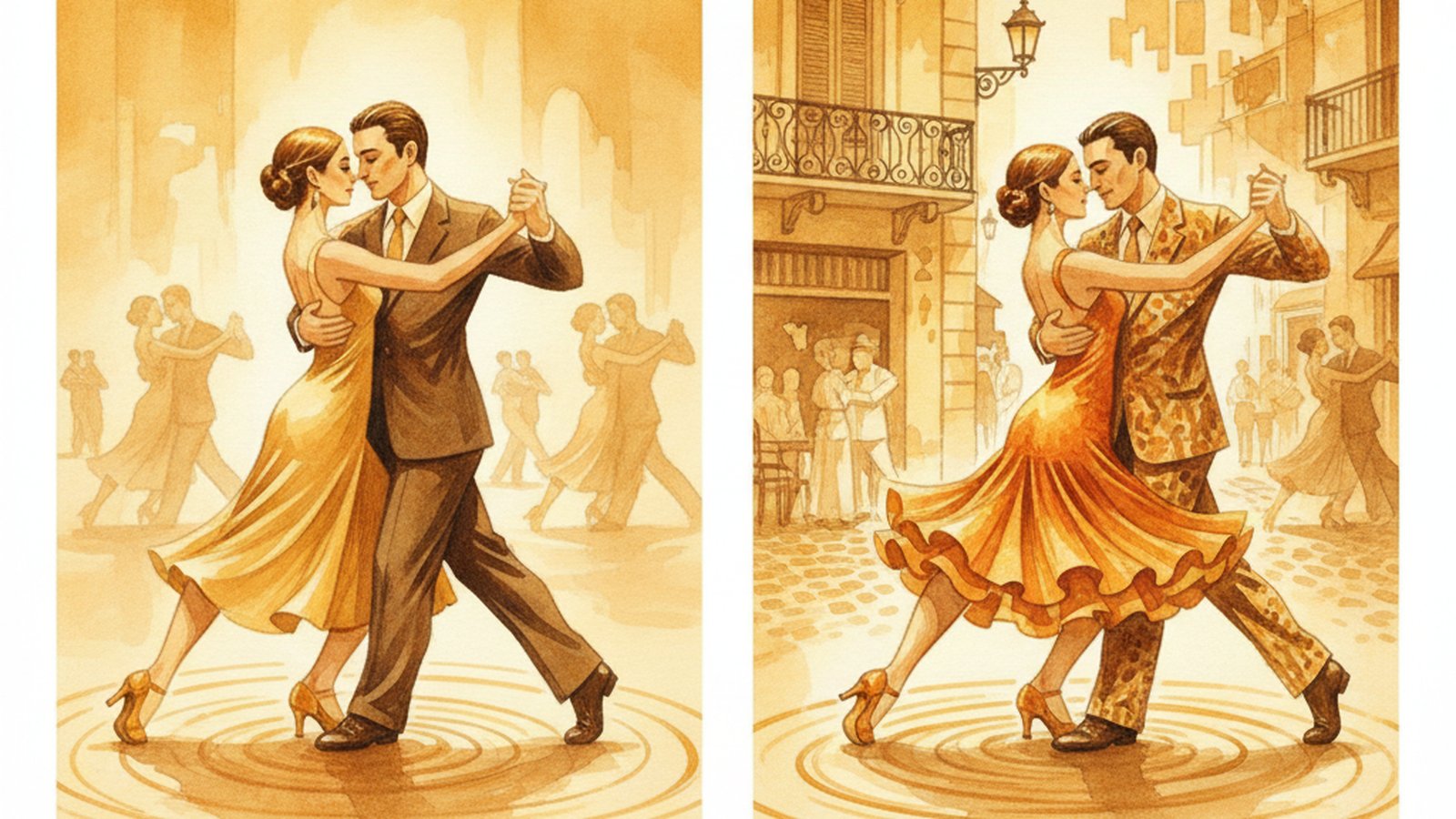
Milonga Lisa vs Con Traspié: Two Ways to Dance One Rhythm
Milonga lisa keeps it smooth; con traspié adds the cheeky syncopation. Here's how to hear, dance, and choose between both on a London floor.
Tango and Personal Hygiene: The Essentials Nobody Talks About
Tango is an intimate dance, and personal hygiene is an act of respect. Here are the practical essentials every dancer should know but few discuss openly.