African Rhythms in Early Tango Music and Dance
The Influence of African Rhythms on Early Tango Music and Dance
The story of tango's origins is often told as a tale of European immigrants meeting in the port neighbourhoods of Buenos Aires. But this narrative is incomplete. Before the Italians and Spaniards arrived in massive numbers in the late nineteenth century, the rhythmic foundations of what would become tango were being laid by Afro-Argentine communities whose contributions have been systematically underacknowledged for over a century.
The Afro-Argentine Presence
In the early nineteenth century, people of African descent made up a significant portion of Buenos Aires' population — some estimates suggest as much as a third. These communities, descended from enslaved people brought to the Río de la Plata region during the colonial period, maintained rich musical and dance traditions that they adapted and evolved in their new context.
The tambor (drum) was central to Afro-Argentine musical expression. Community gatherings called candombes featured intense percussive music and dancing that brought people together in celebration, mourning, and solidarity. These gatherings were held in conventillos and open spaces, and they drew the curiosity — and sometimes the participation — of European immigrants who lived alongside Afro-Argentine communities in the poorer neighbourhoods of Buenos Aires.
The Rhythmic DNA of Tango
Several key elements of tango's rhythmic structure show clear African influence:
- The habanera rhythm: The distinctive dotted rhythm that underpins much early tango — also found in the Cuban habanera, from which it takes its name — has roots in West African musical traditions. This syncopated pattern, which creates a sense of forward momentum and anticipation, became fundamental to the tango sound.
- Syncopation: The emphasis on off-beats and the playful displacement of rhythmic accents that characterise tango music — particularly the milonga — reflect African rhythmic sensibilities rather than European ones. European music of the period tended towards regular, predictable rhythmic patterns.
- Call and response: The interplay between the bandoneón and the violin in tango orchestras, where one instrument states a phrase and the other responds, echoes the call-and-response patterns fundamental to African musical traditions.
- The milonga rhythm: The milonga, which predates tango and is considered one of its parent genres, carries particularly strong African rhythmic influence. Its driving, syncopated pulse is closely related to the candombe rhythm.
Dance: The Body Remembers
The African influence on tango is not limited to music. Several aspects of tango's movement vocabulary bear the marks of Afro-Argentine dance traditions:
- The close embrace: While European social dances of the period maintained distance between partners, Afro-Argentine dances featured close physical contact. The intimate embrace that shocked European sensibilities when tango emerged was already present in Afro-Argentine dance forms.
- Improvisation: European social dances were typically choreographed sequences. The improvisational nature of tango — the idea that each dance is created in the moment — aligns with African dance traditions where improvisation within a rhythmic framework is the norm.
- Groundedness: Tango's characteristic connection to the floor — the low, grounded quality of the walk, the bent knees, the sense of weight — contrasts with the upward, lifted quality of European ballroom dances and reflects African dance aesthetics that emphasise the relationship with the earth.
- Hip and torso movement: While modern tango has become more upright and restrained, early tango featured more overt hip and torso movement, reflecting its Afro-Argentine dance heritage.
The Erasure
As tango gained respectability — first in Paris, then back in Buenos Aires — its African roots were progressively erased. The process of "whitening" tango was part of a broader cultural project in Argentina that sought to align the nation's identity with Europe. As the Afro-Argentine population declined due to war casualties, disease, and intermarriage, and as European immigration transformed Buenos Aires' demographics, the African contribution to tango was minimised or forgotten entirely.
Tango histories written in the early and mid-twentieth century often omit Afro-Argentine contributions altogether, or mention them only in passing. The musicians and dancers who helped create tango's foundational elements were written out of the story.
Recovering the Heritage
In recent decades, scholars, musicians, and dancers have worked to recover and acknowledge tango's African heritage. Researchers have documented the connections between candombe rhythms and early tango. Musicians have explored the Afro-Argentine roots of tango in recordings and performances. And a growing number of tango teachers and communities are incorporating this history into their teaching, ensuring that new generations of dancers understand the full, complex story of the dance they love.
This recovery is not just an academic exercise. Understanding tango's African roots changes how you hear the music and how you move to it. When you feel the syncopation in a milonga, when you respond to the driving pulse of a D'Arienzo tango, when you let your body settle into the ground rather than float above it, you are connecting with a rhythmic heritage that stretches back through Afro-Argentine communities to the musical traditions of West Africa.
What This Means for Dancers Today
For contemporary tango dancers, acknowledging the African influence is both a matter of historical honesty and a pathway to deeper dancing:
- Listen for the rhythms: Pay attention to the syncopated, driving rhythms in tango music, especially in milongas. These are the direct descendants of Afro-Argentine musical traditions.
- Feel the ground: Cultivate the grounded quality in your movement. This connection to the floor is part of tango's African inheritance.
- Value improvisation: The improvisational nature of social tango is not just a stylistic choice — it is a fundamental aspect of the dance's African heritage.
- Learn the full history: Seek out books and resources that tell the complete story of tango's origins, including the Afro-Argentine contribution.
"To understand where tango came from, we must listen to all the voices that created it — including those that history tried to silence."
Deepen Your Understanding in London
London's tango community values education and cultural understanding alongside technique. As you develop your dancing, let the full history of tango enrich your experience — from the candombe gatherings of nineteenth-century Buenos Aires to the milongas of twenty-first-century London.
Visit TangoLife.london to find classes, workshops, and events that celebrate tango in all its cultural richness and complexity.
Related Articles
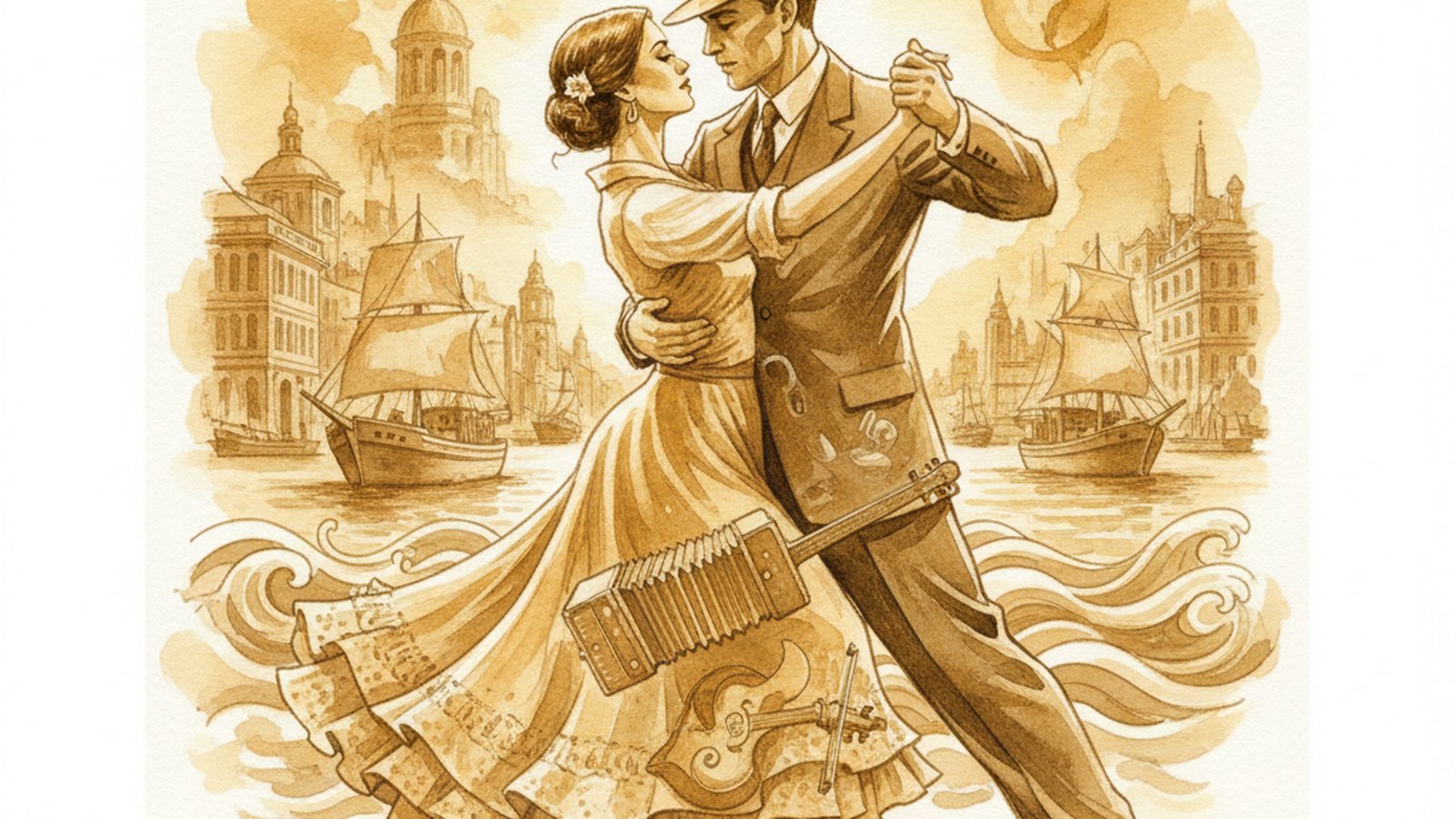
How Immigration Shaped Tango: The Buenos Aires Story
Tango was invented by strangers, for strangers, in a Buenos Aires where half the city was foreign-born. Here is how Italian, Spanish, German and African arrivals built the dance we do in London.
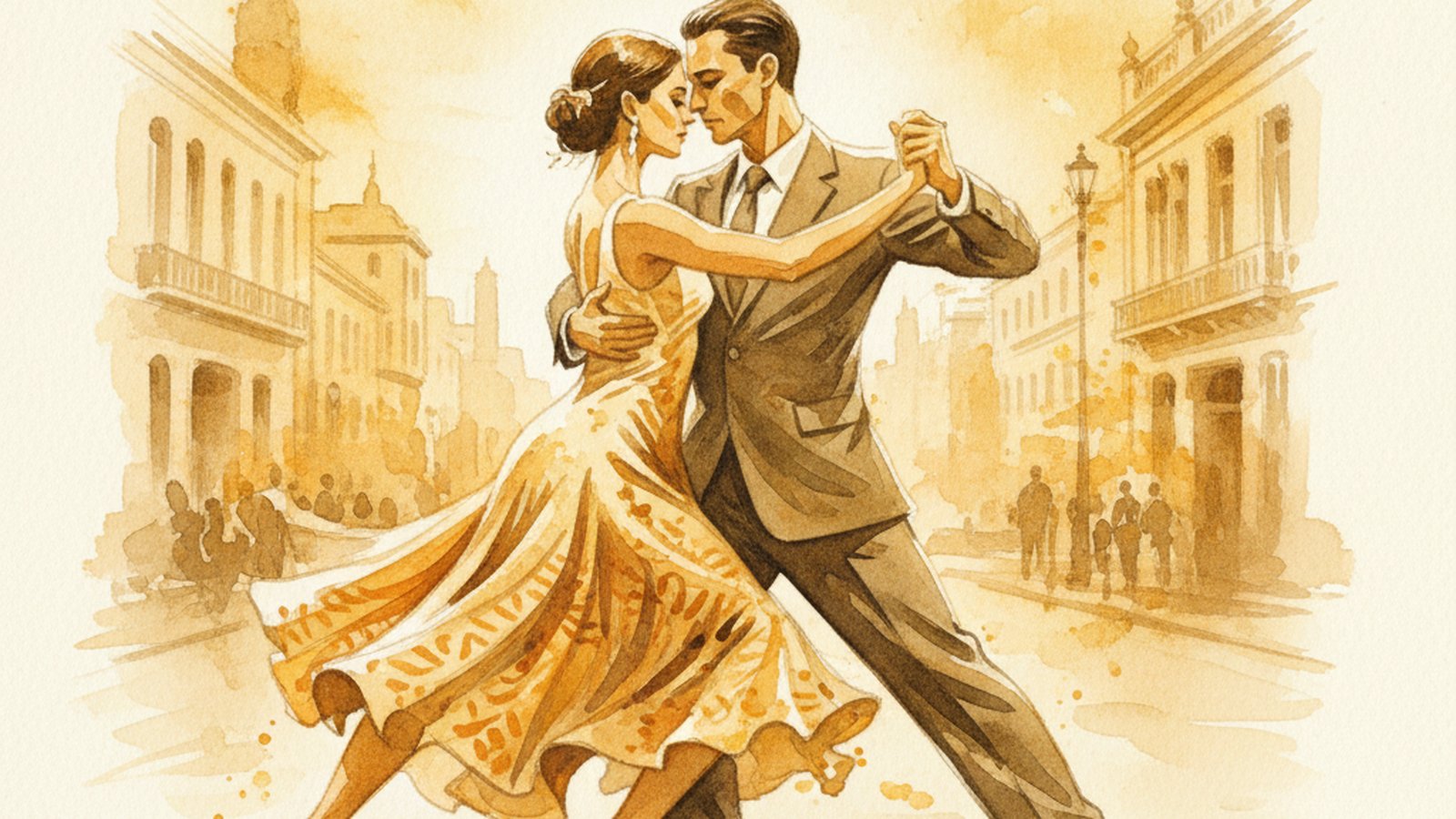
Tango's African Roots: The Rhythm Under Every Milonga
Before tango was a dance, it was a place — the drum yards of Black Buenos Aires. A warm, practical guide to the African rhythms inside the music we dance, and how to hear them in London.
Lunfardo in Tango: The Slang Language Hidden in the Lyrics
Discover lunfardo, the Buenos Aires street slang hidden in tango lyrics. From vesre wordplay to Italian roots, the secret language of the music you dance to.