Nuevo vs Traditional Milonga: How to Dress for Each Floor

Two rooms, two philosophies
Push open the door of a traditional milonga on a Saturday night in central London and the room tells you what it expects before anyone says a word. Tables around the edge, low light, a proper floor, and dancers who have clearly spent time with a mirror. Turn up on a Wednesday at a nuevo or alternative night in a converted railway arch and the mood shifts: wider spacing, longer lines, music that might be Piazzolla and might be an electronic remix, and clothing built for movement rather than for the tables.
Neither room is dressier than the other, whatever anyone tells you. They simply ask for different things. Traditional milonga style is about presence at rest — how you look sitting, waiting for a cabeceo, crossing the floor. Nuevo style is about presence in motion — how the fabric behaves in a volcada, whether your shoulder can travel, whether you can drop into a low collection without a seam complaining.
A short history of the difference
Golden age Buenos Aires, roughly the 1940s, dressed formally because the milonga was a social occasion in a city that dressed formally for social occasions. Suits, dresses, stockings, everyone conscious of being looked at. Those codes survived in the traditional milongas of Buenos Aires and travelled with the dance when it went global. When people talk about milonga dress codes today, this inheritance is usually what they mean.
Nuevo tango arrived much later, out of the 1990s Buenos Aires studios where a generation took the vocabulary apart to see how it worked. Bigger movements, more open embrace, floors that borrowed from contemporary dance. The clothing followed the dancing: softer, looser, more athletic, far less concerned with formality.
Dress for the embrace you expect to be in. Close and grounded asks for structure; open and travelling asks for stretch.
Dressing for a traditional milonga
Silhouette
Think fitted through the torso and generous below. A dress that skims the ribs keeps the embrace clean, with no fabric bunching between you and your partner, while a skirt with real sweep gives the walk something to say. Wrap dresses, bias-cut slips and knee-to-midi lengths all work beautifully. For a more masculine line, a well-cut trouser with a slight break, a shirt that stays tucked, and a jacket you can shed by the third tanda.
Necklines matter more than you expect. Anything that needs constant adjusting will get adjusted, for four hours. Halter necks and strapless tops can fight the embrace, since a partner's hand lands on bare shoulder blade rather than fabric. Some dancers mind, some do not — know your room.
Fabric is a partner too
Velvet, crepe, heavy jersey and good wool all behave well under an arm. Avoid anything scratchy at the shoulder blade or under the right hand. Sequins are a genuine hazard: they abrade a leader's palm over a long tanda, and the person who danced with you at 11pm will remember. Linen creases into a map of the evening by midnight. Pure silk shows every degree of a warm room.
Shoes for the traditional floor
This is where the budget goes, and rightly. A traditional floor rewards a defined heel — anything from a 5cm Cuban to a 9cm stiletto — a suede sole, and a fit snug enough that the shoe moves when your foot moves rather than a beat later. Argentine makers such as Comme il Faut, Neo Tango, Regina and Madreselva remain the benchmark, and most London dancers buy at festival trunk shows or through UK stockists rather than gambling on postal sizing.
For leaders, a leather or suede-soled tango shoe with a low heel and a flexible forefoot. Ordinary dress shoes are stiff through the ball of the foot and will hold your pivots hostage all night.
Dressing for a nuevo milonga
Room to move
Nuevo floors travel. Colgadas, volcadas, off-axis work and long open-embrace lines all ask for a garment that can extend. Stretch is not a compromise here, it is the point: ponte trousers, jersey wrap tops, a skirt with a proper gusset, or tapered dance trousers with a soft drape. Plenty of dancers wear leggings or fitted shorts under a shorter skirt so that nothing is being negotiated mid-figure.
Layers do the rest of the work. Nuevo nights run hot because the dancing is bigger. A vest or fitted tee with something over the top means you can strip back without leaving the room.
Shoes for nuevo and alternative floors
Lower and more flexible. A 4-6cm flared or block heel gives you stability under off-axis weight, and full split-sole dance sneakers are the standard for practicas and alternative nights. A split sole lets the foot articulate through deep collections in a way a stiff shank simply will not. Experienced dancers often carry both and change at the halfway point.
Check the floor before you commit. Suede is glorious on sprung wood and useless on the tacky vinyl of a hired hall, where a smooth leather sole or a sneaker will save your knees.
Seasons, London weather and the bag you actually need
London hands you two problems: you arrive damp and you dance hot. Solve both by never wearing your dance shoes on the street. A small canvas bag with shoes, a spare top, a folding hand towel and deodorant is standard kit for anyone who dances more than once a week.
In winter, bring a coat you are happy to leave on a chair, plus a wrap or shrug for the first half hour before the room warms up. In summer, keep breathable natural fibres next to the skin and change that top after the interval — it is a small courtesy the whole room appreciates. Wool-blend socks and closed shoes for the journey, always; nothing ruins a Tuesday like arriving with wet feet and only satin to put them in.
Where to shop in London
- Tango shoes — trunk shows at UK festivals and marathons remain the best way to try Argentine brands on properly. Several London teachers keep a small stock, and dancers often pool orders to share shipping.
- Vintage and traditional — the charity shops around Marylebone High Street, Notting Hill and Islington turn up silk, velvet and beaded pieces at a fraction of new prices.
- Nuevo separates — Camden, Brick Lane and Dalston vintage rails, plus any decent dancewear supplier for ponte trousers and split-sole sneakers.
- Finishing touches — Liberty for a scarf that will outlive the outfit; John Lewis for hosiery, seamless underlayers and the unglamorous foundations everything else sits on.
- Maintenance — a cobbler who will re-suede a sole is worth more than a new pair. Ask your teacher who they use.
Style Tips
- Do the raised-arm test in the changing room. Lift both arms into an embrace, pivot, and step back into a deep collection. If the hem rides, the waistband twists or the shoulder pulls, it will do all three by tanda four.
- Brush your suede soles before you leave home. A wire shoe brush costs a few pounds and restores grip that you would otherwise blame on the floor.
- Keep the shoulder blade smooth. No sequins, zips, chunky straps or stiff seams where a hand rests. Comfort for your partner is the most stylish thing you can wear.
- Pack a second pair of shoes. One high and structured, one low and flexible, so an unexpected floor or a long night never dictates when you stop dancing.
- Dress one notch to the room, not to the trend. Ask the organiser or check the photos before you go. Turning up in sneakers to a formal milonga, or in a floor-length gown to a practica, is only awkward because it signals you did not look.
The real rule
Both floors are asking the same question in different accents: does your clothing help you dance, and does it make you feel like yourself? Traditional style answers with structure and a good heel. Nuevo answers with stretch and a split sole. Most London dancers end up with a wardrobe that quietly serves both, and a bag that never gets fully unpacked.
Ready to put it into practice? Browse tonight's milongas, practicas and alternative nights on TangoLife.london, find the room that suits your mood, and dress for the floor you are walking onto. We will see you there.
Related Articles

The Chelsea Boot, Adapted for Tango: Casual Cool That Pivots
The elastic-sided boot that Queen Victoria wore and the mods made famous is quietly brilliant for tango — once you change the sole. Here is how to choose, adapt and wear it.
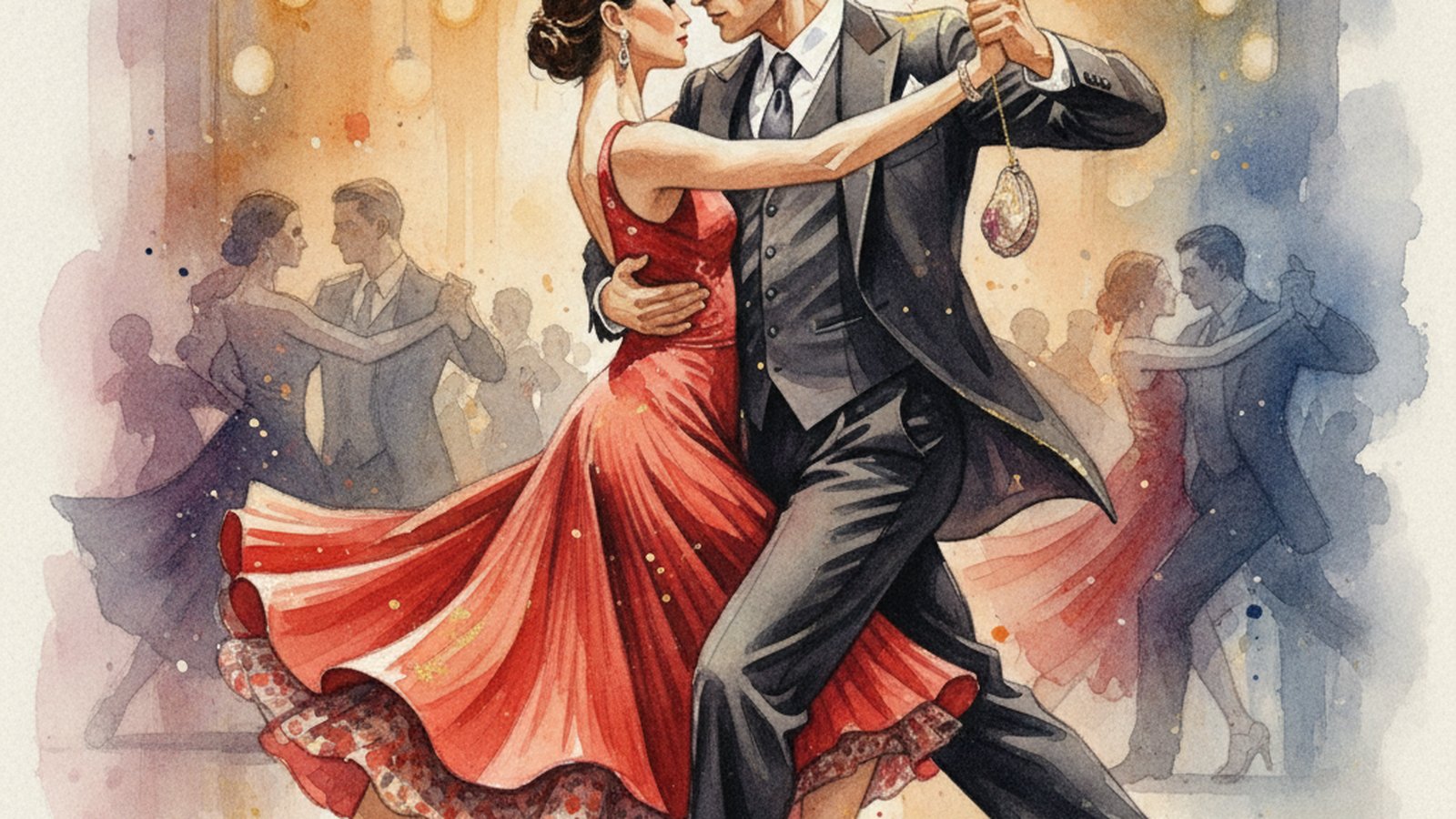
How to Dress for a Tango Birthday Milonga: Celebrating in Style
The birthday vals means dancing with half the room in a row. Here is how to dress for it: fabrics, shoes, London layering and five practical style tips for celebrating properly.
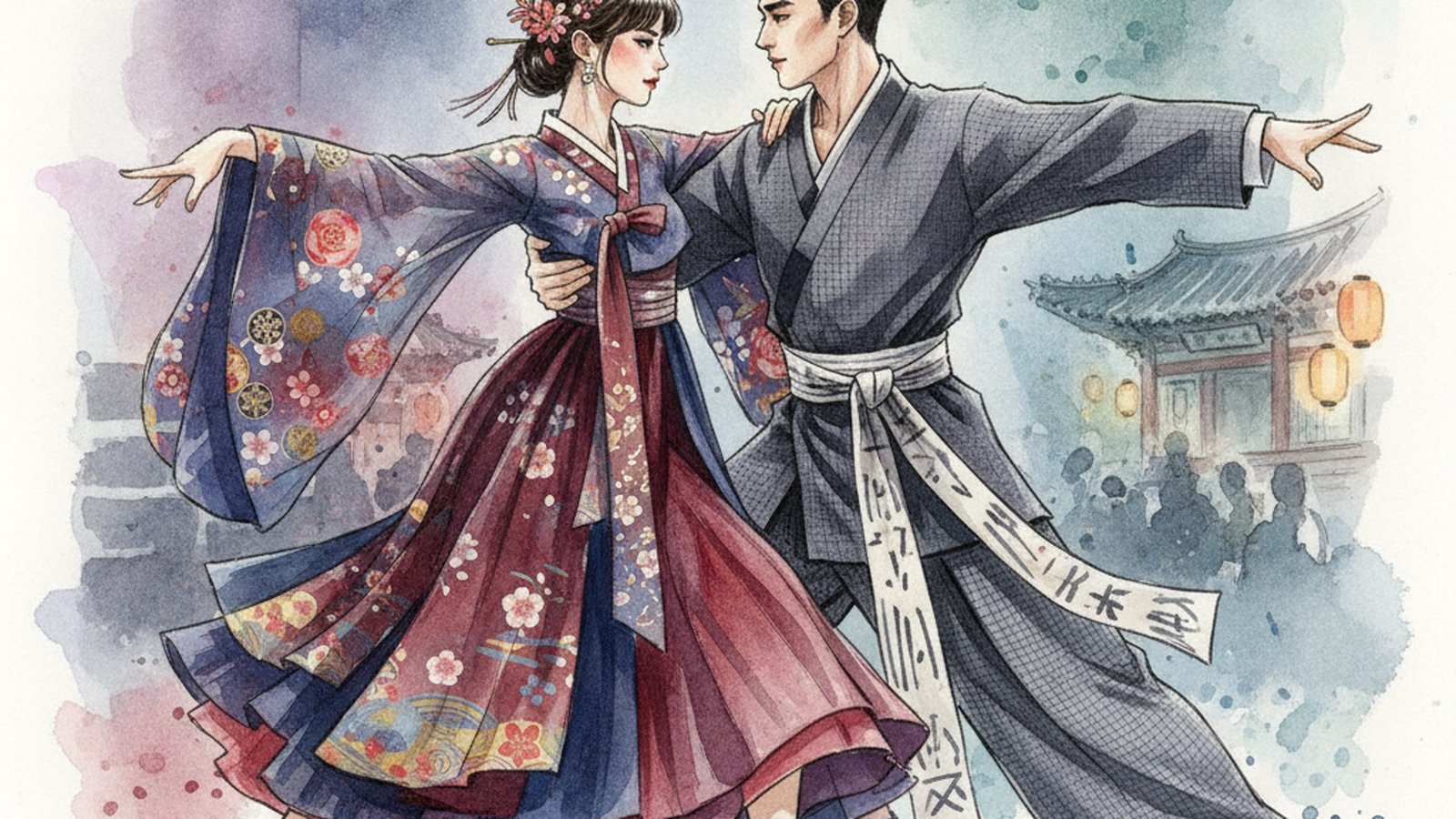
How Korean and Japanese Fashion Reshaped Modern Tango Style
From Yohji Yamamoto's asymmetry to Seoul's proportion play, Japanese and Korean design are quietly reshaping how tango dancers dress — and what they wear on their feet.