Syncopation in Tango: Dancing Off the Beat with Intention
Beyond the Beat: The Art of Syncopation
Once you've mastered walking in compás — landing each step squarely on the beat — a whole new world of musical possibility opens up. Syncopation, the art of placing emphasis or movement between the regular beats, is what separates competent dancers from truly musical ones. And in tango, it's everywhere.
But here's the crucial distinction: syncopation isn't dancing out of time. It's dancing with time in a more sophisticated way. Every syncopated step exists in deliberate relationship to the beat. You know exactly where the beat is — you're simply choosing to play around it.
What Syncopation Sounds Like in Tango Music
Tango orchestras use syncopation constantly. Listen for these common patterns:
The "And" Between Beats
Between every beat, there's an "and" — the halfway point. When the bandoneón plays a note on the "and" of beat two rather than on beat three, that's syncopation. It creates a sense of surprise, of the music pulling forward or holding back against the regular pulse.
D'Arienzo's orchestra is famous for its aggressive syncopation, particularly in the piano. Rodolfo Biagi took this even further, creating wildly syncopated piano patterns that practically dare the dancer to follow them.
The Habanera Rhythm
One of tango's foundational rhythmic patterns, inherited from the Cuban habanera, is a syncopated figure: long-short-short-long (or in musical terms, dotted quarter-eighth-quarter-quarter). This pattern runs through countless tangos and milongas, and when you can hear it, you can dance it.
The 3-3-2 Pattern
Another common syncopation in tango divides eight beats into groups of 3+3+2. Instead of the regular 2+2+2+2, the emphasis shifts, creating a lilting, off-kilter feel that's irresistible once you can hear it. This pattern is particularly common in milonga and in the music of orchestras like Canaro and D'Arienzo.
How to Dance Syncopation
Traspié: The Quick-Quick-Slow
The most common way to express syncopation in tango is through traspié — literally "stumble" or "misstep," though it's anything but. Traspié involves quick weight changes that break the regular walking rhythm, typically in a quick-quick-slow pattern.
In practice, this means taking two steps in the space where you'd normally take one, then resolving back to the regular beat. It creates a playful, energetic quality that's perfect for rhythmic music.
To lead traspié effectively:
- Keep your upper body smooth and stable while your feet do the quick work
- Make the first quick step small — there's no time for large movements
- Resolve clearly back to the beat so your partner knows you've returned to normal time
- Practise the rhythm in your own body first before trying to lead it
The Syncopated Pause
Not all syncopation involves quick steps. You can also syncopate by not stepping where expected. If you've been walking steadily on every beat and suddenly hold through a beat, landing your next step on the "and" after it, that's syncopation through pause. It creates a wonderful moment of suspension that catches the follower's attention.
Playing with the Upbeat
Advanced dancers develop the ability to initiate movements on the upbeat — the "and" between main beats. This creates a floating, anticipatory quality. A step that begins on the upbeat and lands on the downbeat has a different energy than one that begins and ends on downbeats. It's subtle but unmistakable to a musical partner.
When to Use Syncopation (and When Not To)
Syncopation is like spice in cooking — essential for flavour but disastrous in excess. Here are guidelines for when it works best:
Use Syncopation When:
- The orchestra is playing syncopated patterns — match what you hear
- The energy of the music calls for playfulness or excitement
- You want to create contrast after a passage of steady walking
- You're dancing milonga, where syncopation is practically mandatory
- Your partner is comfortable and responsive to rhythmic changes
Avoid Syncopation When:
- The music is lyrical and flowing — syncopation would fight the mood
- You're not confident you can hear the beat underneath your syncopation
- Your partner seems uncomfortable with rhythmic changes
- The dance floor is crowded and quick movements might cause collisions
- You're using it as a default rather than a deliberate musical choice
Building Your Syncopation Skills
Here's a progression for developing syncopation in your dancing:
- Listen first. Before dancing syncopation, spend time listening to tango music and clapping or tapping the syncopated rhythms you hear. Can you clap the 3-3-2 pattern? Can you find the "ands" between beats?
- Walk it alone. Practise walking with traspié by yourself. Put on a D'Arienzo tango and try matching the piano's syncopation with your feet.
- Start simple. In your dancing, begin with just one or two quick-quick-slow patterns per song. Let them arise naturally when the music suggests them.
- Vary your placement. Once basic traspié feels comfortable, experiment with where you place it — forward, backward, in place, with a side step. Each placement has a different character.
- Combine with pauses. The most musical dancers alternate between syncopation and stillness. A burst of traspié followed by a lingering pause creates beautiful contrast.
The Musical Conversation
When both partners can hear and respond to syncopation, the dance becomes a genuine musical conversation. The leader might initiate a syncopated passage, and the follower — hearing the same musical impulse — responds with matching energy and timing. Or the follower might add a subtle adornment on the upbeat, and the leader acknowledges it by incorporating that rhythm into the next phrase.
This is tango at its most alive: two people improvising together, using the music as their shared language, playing with time in ways that surprise and delight both of them.
Explore your musicality at London's milongas and prácticas. Find events near you at TangoLife.london.
Related Articles

Tango Vals: How to Dance with Swing and Flow, Not Counting
Vals isn't one-two-three. Learn to step on beat one, add swing with optional steps, and find the continuous, circular flow that makes tango vals feel like flying.
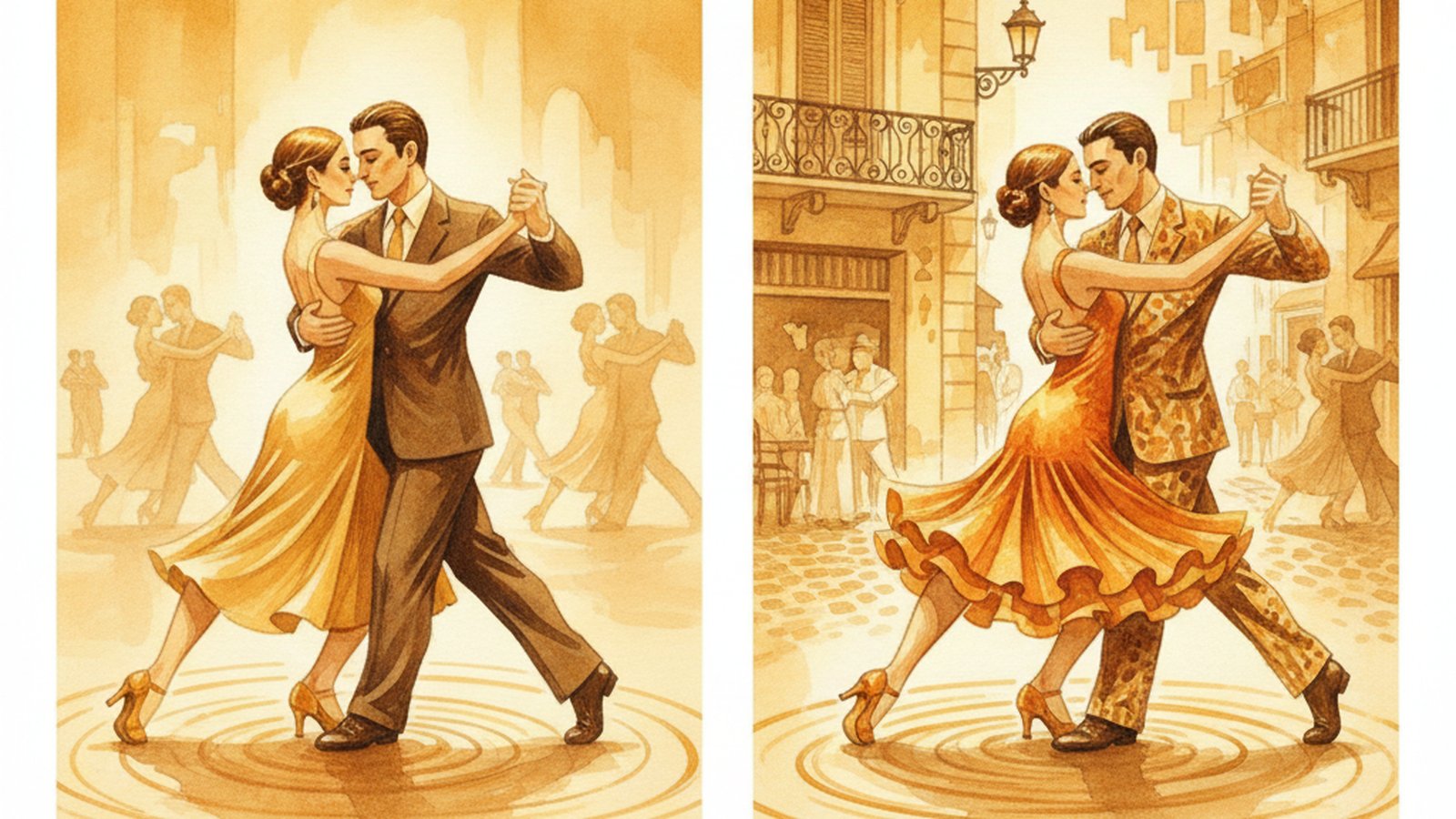
Milonga Lisa vs Con Traspié: Two Ways to Dance One Rhythm
Milonga lisa keeps it smooth; con traspié adds the cheeky syncopation. Here's how to hear, dance, and choose between both on a London floor.
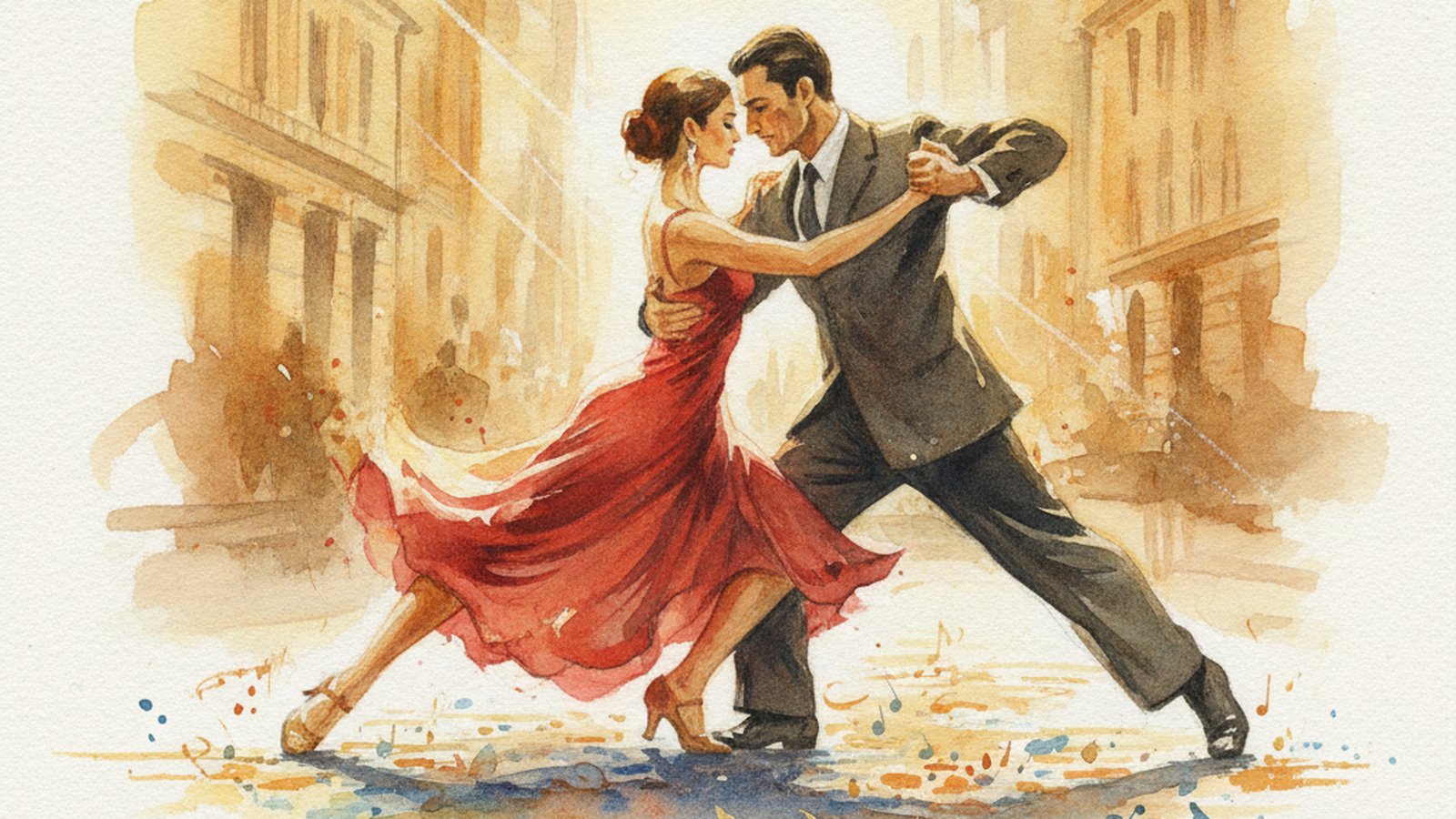
Caminata Musicale: Turn Your Tango Walk Into Music
The caminata is tango's foundation — but with timing, dynamics and phrasing, a simple walk becomes a musical conversation. Here's how to build yours.